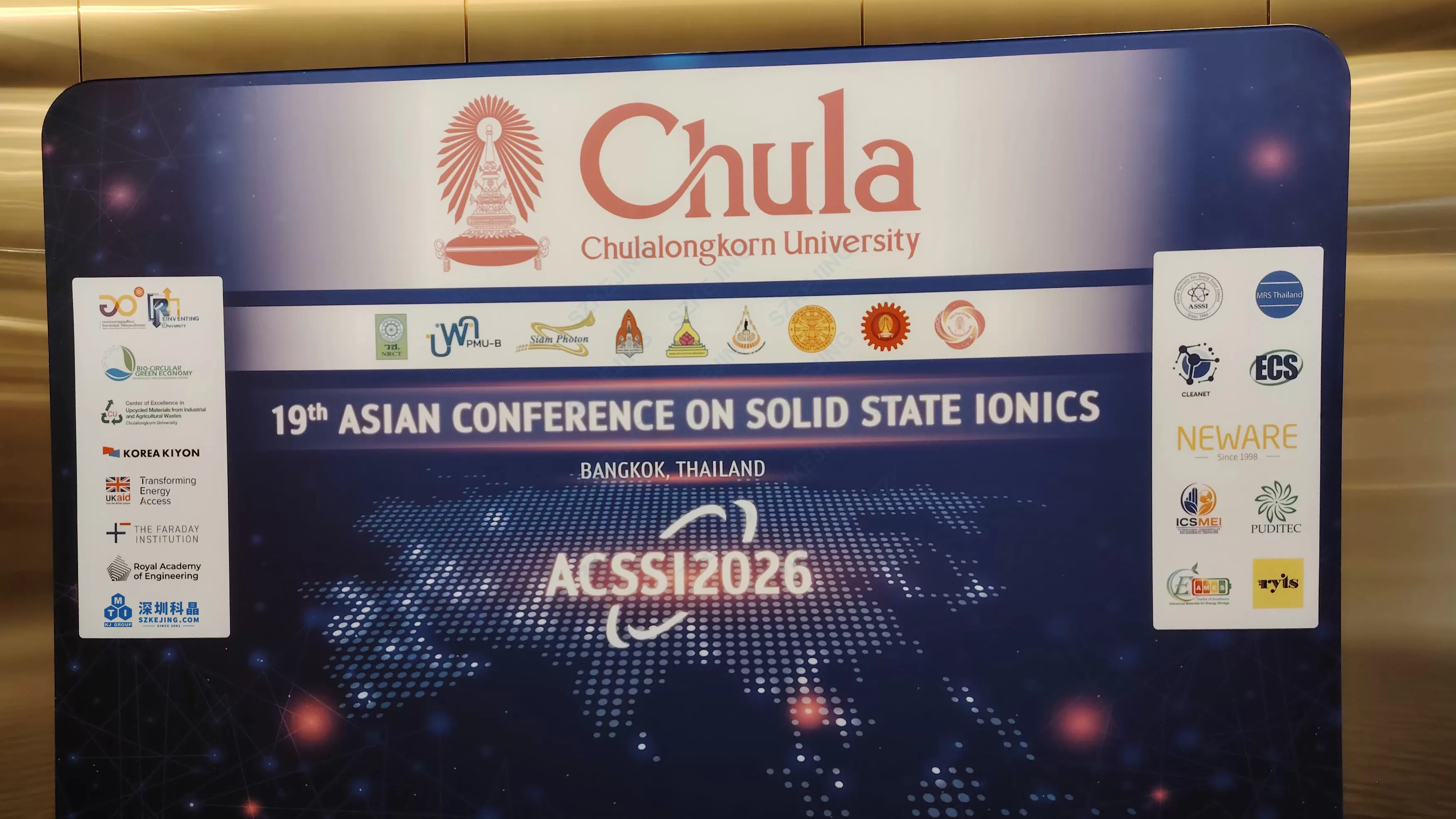
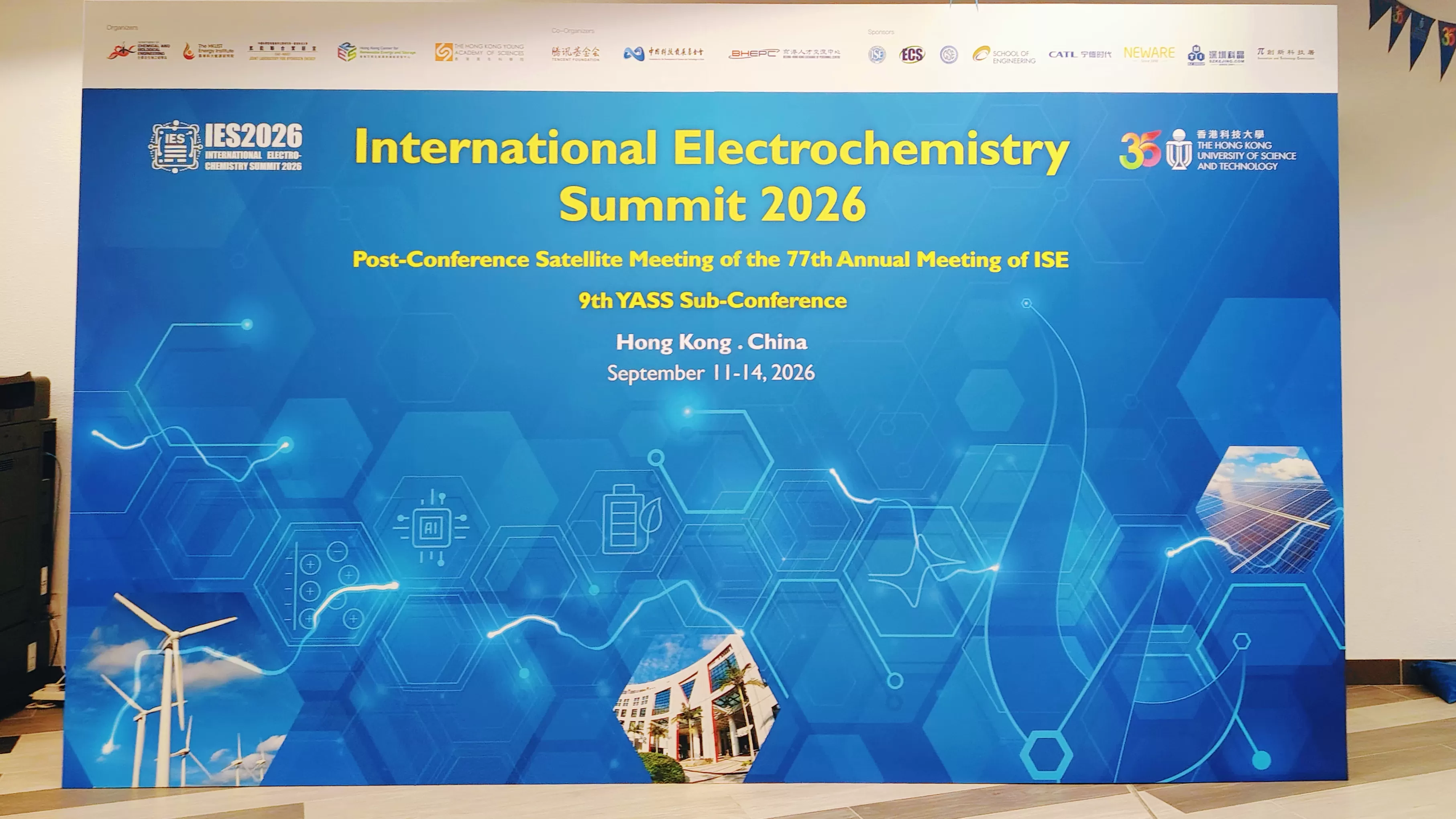
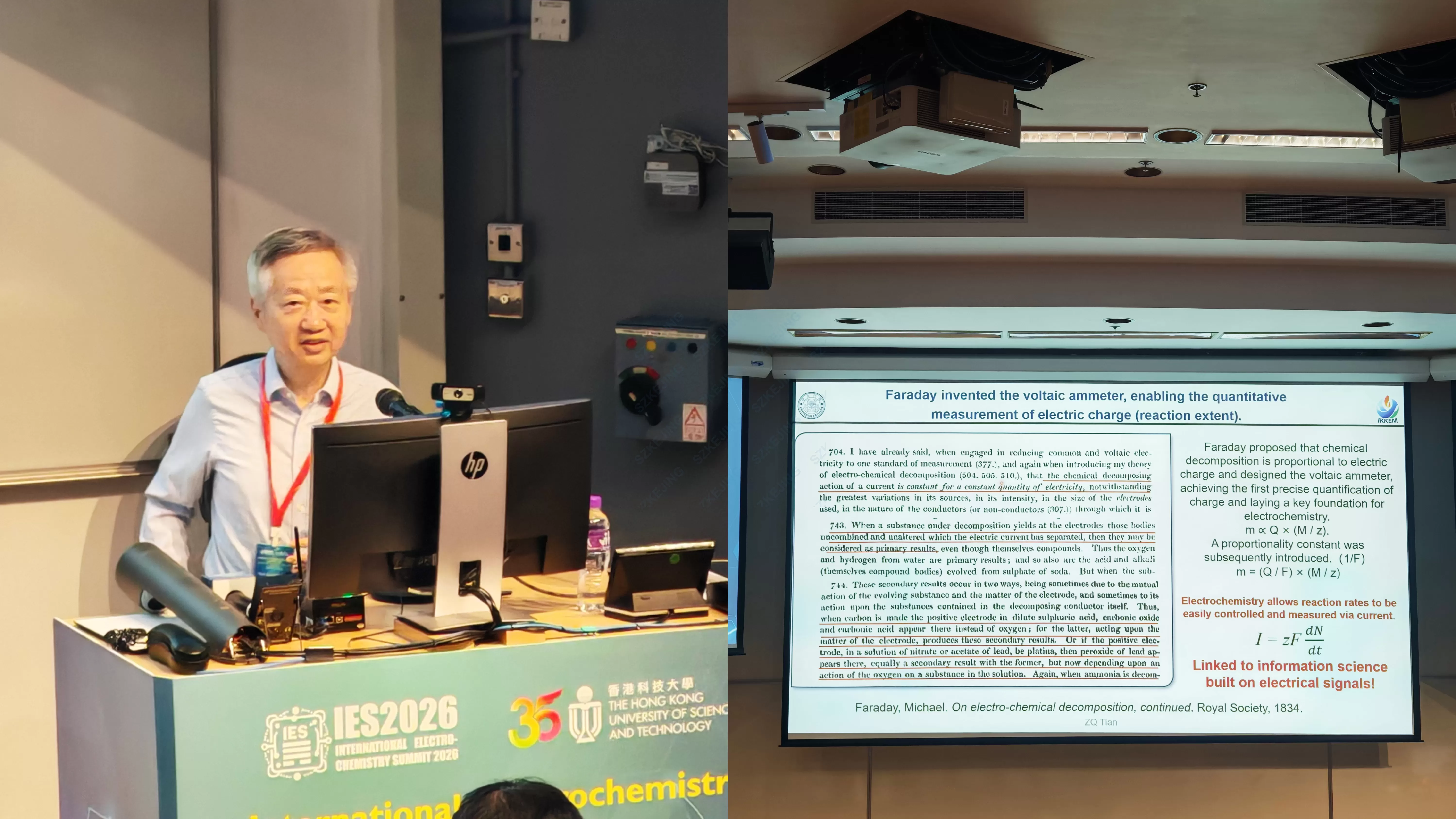
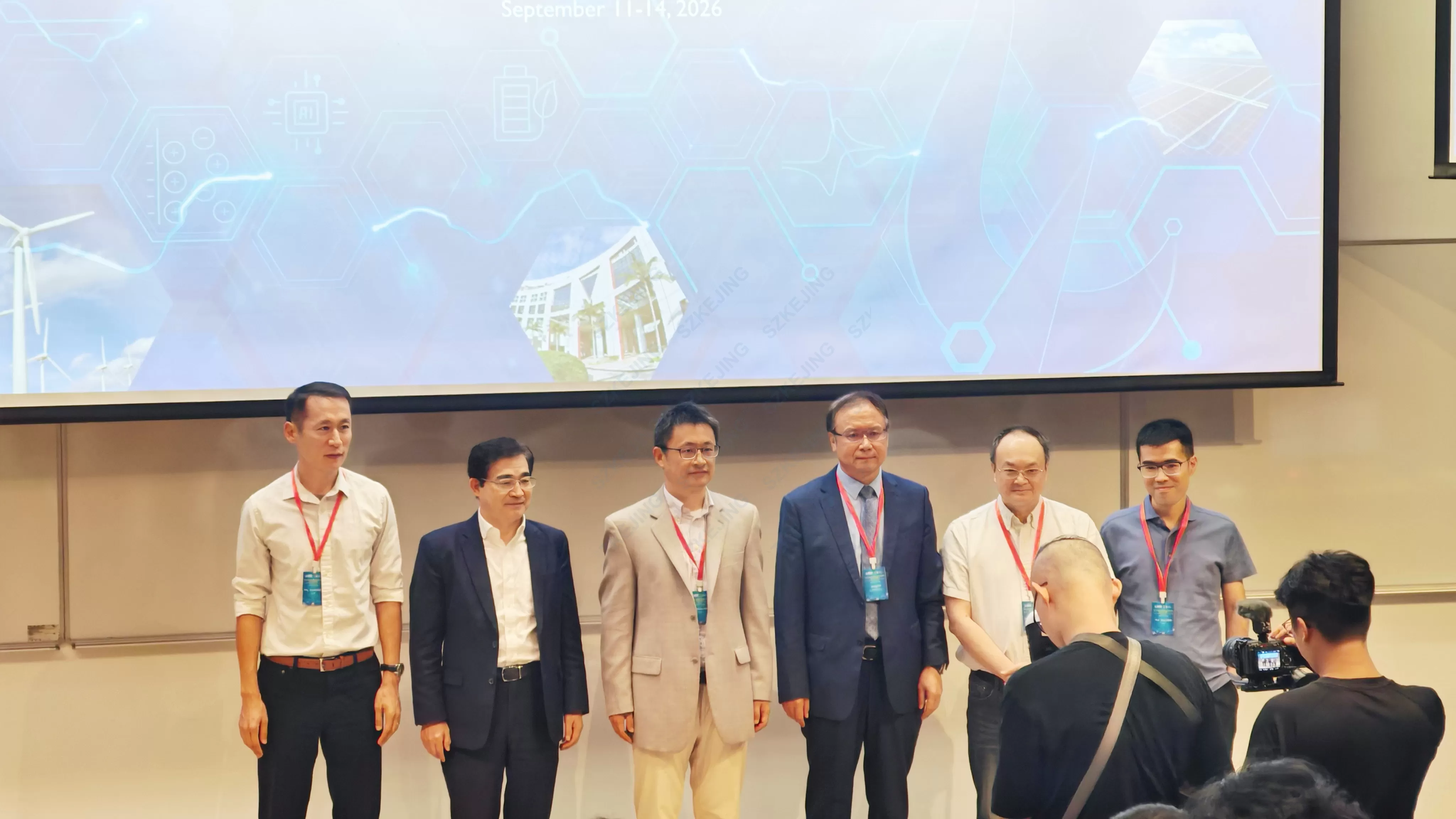
Hosted in Hong Kong, IES 2026 International Electrochemistry Summit, a satellite conference of the 77th International Society of Electrochemistry (ISE), gathers universities, research institutes and industrial R&D enterprises from the global electrochemistry, energy storage and energy materials sectors to exchange insights on new energy materials, electrochemical systems and cutting-edge technologies. Shenzhen Kejing Star Technology Company (hereinafter referred to as Shenzhen Kejing) attends the summit with R&D solutions for energy‑materials, exploring new pathways for synergy between materials innovation and experimental instrumentation together with global researchers.
From Single Equipment Demonstration to R&D‑system Enablement
As new battery systems including lithium‑ion batteries, solid‑state batteries and sodium‑ion batteries keep advancing, experiments involve more variables and faster R&D cycles, raising higher requirements for equipment stability, process interoperability and data consistency. Improving experimental reproducibility, shortening screening cycles and building closed‑loop workflows across R&D stages have become key directions for upgrading research instrumentation. Single equipment can hardly fulfil demands for end‑to‑end R&D closure. The industry has a growing need for a complete support system that runs through the entire R&D workflow, bridging the full path from formula exploration and sample preparation to process validation.
At this event, Shenzhen Kejing focuses on researchers’ real R&D workflows and showcases an integrated R&D solution of “equipment + process + consumables”. Moving beyond the model of supplying single equipment, it eliminates the disconnect between material preparation, process validation and performance evaluation. By adopting a more complete experimental chain, Shenzhen Kejing reduces equipment gaps and collaboration costs during R&D.
Discussions at Shenzhen Kejing’s booth evolves from “viewing equipment” toward “discussing R&D challenges”. Conversations covering practical research scenarios such as materials heat treatment, electrolyte development, solid‑state‑cell fabrication and testing go beyond equipment specifications to address experimental stability, multi‑process coordination, formulation‑screening efficiency, and transition from lab‑scale research to pilot‑scale prototyping.
Three Solutions Empowering Key Energy Materials R&D Chains
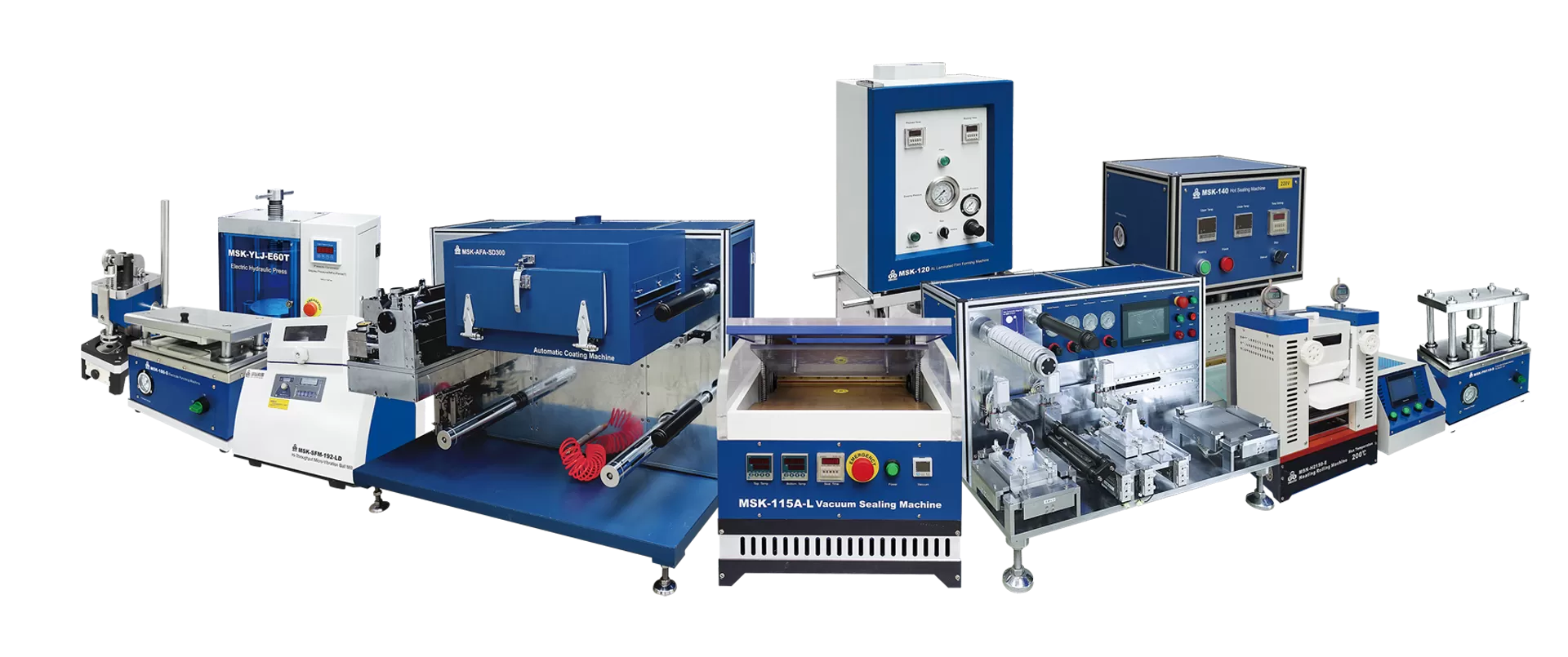
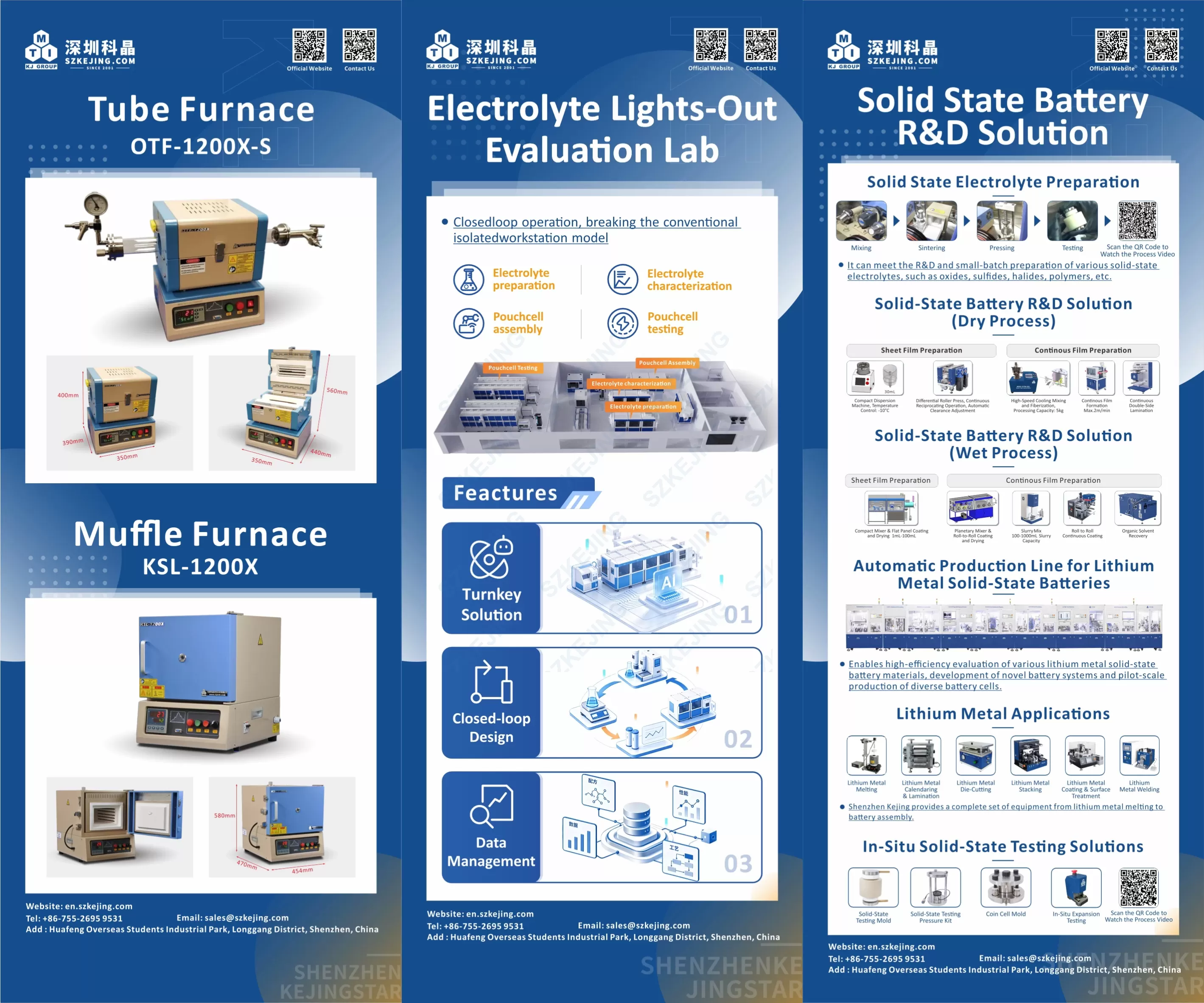
Aligned with energy materials and electrochemistry themes of the summit, Shenzhen Kejing highlights three major R&D solutions. For materials synthesis and thermal treatment, Shenzhen Kejing high temperature thermal processing equipment includes the OTF-1200X-S tube furnace and KSL-1200X muffle furnace series. The equipment support vacuum/inert atmosphere sintering, annealing, calcination and vapour deposition experiments for oxide, sulfide and other material preparation. Balancing experimental flexibility and process stability, Shenzhen Kejing provides a solid foundation for subsequent electrolyte and solid state battery development.
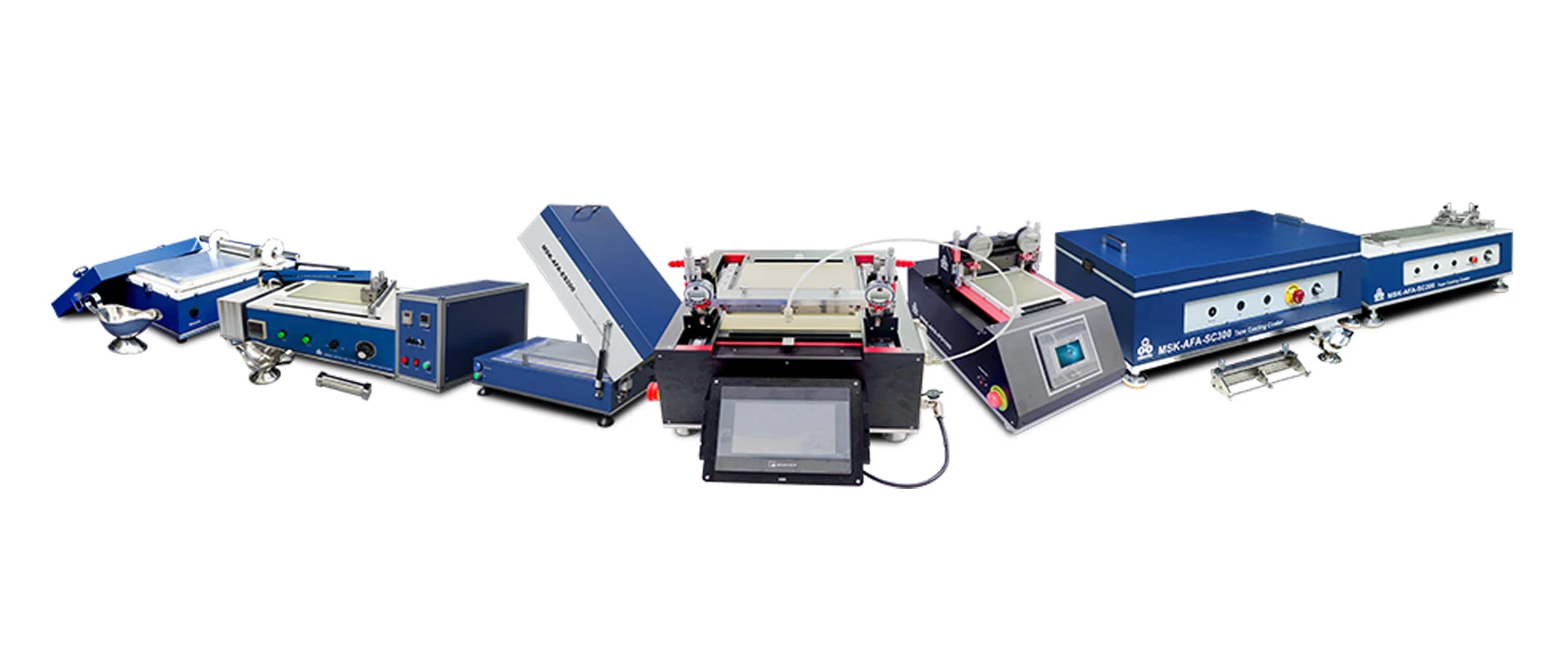
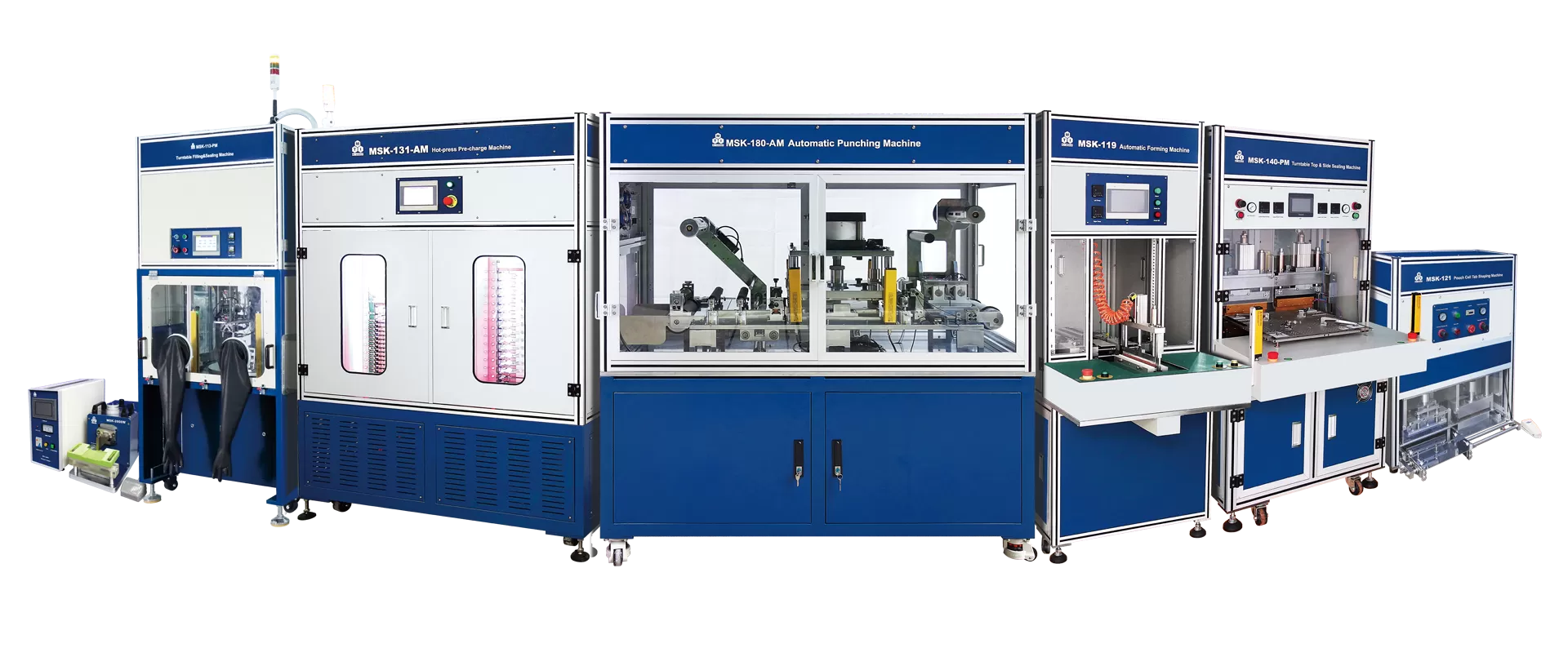
Targeting the pain points of electrolyte R&D, including complicated formulations, long screening cycles and scattered data, Kejing’s unmanned electrolyte evaluation laboratory connects the full workflow of formulation preparation, characterization, pouch cell assembly and testing. Leveraging a unified data management system, it automatically aggregates formulation, process and test data to enable rapid high-throughput formulation iteration. Built on a modular and scalable architecture, this high‑throughput platform can be extended to powder batching, electrode fabrication and fully automated coin‑cell assembly and evaluation. It supports research on lithium‑ion, sodium‑ion and solid‑state battery chemistries, and delivers turn‑key one‑stop laboratory deployments.
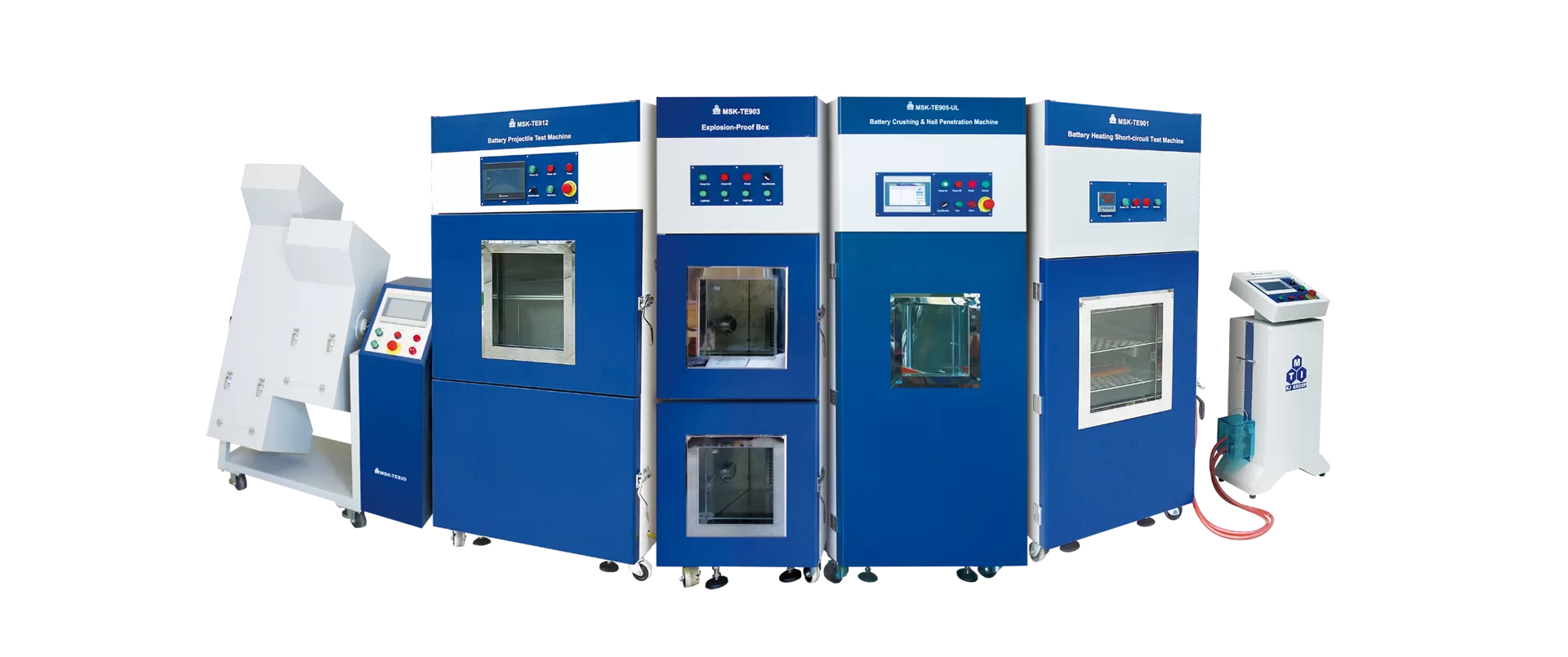
For cutting‑edge solid‑state battery research, Shenzhen Kejing’s end‑to‑end R&D solution spans solid‑electrolyte synthesis, dry/wet process electrode preparation, lithium‑metal processing and in‑situ characterisation. Compatible with oxide, sulfide, halide and polymer systems, it supports electrolyte R&D and small‑batch prototyping. Paired with in‑situ test fixtures and pressure assemblies, the setup enables operando characterisation to decipher key scientific topics such as interfacial behaviours and cell swelling. The solution can further scale up into automated pilot lines for lithium‑metal solid‑state batteries, bridging laboratory‑scale investigations to small batch manufacturing.
Continuously Engaging with Global R&D Demands
As a national‑level Specialised, Refined, Differential and Innovative (SRDI) “Little Giant” enterprise, Shenzhen Kejing contributes to energy‑materials innovation via systematic approaches. In the future, Shenzhen Kejing will keep iterating its instrumentation, processes and services to keep pace with frontiers in electrochemistry and energy‑storage technologies. It will deepen collaboration with global universities, research institutes and industrial R&D enterprises, offering reliable support for translating laboratory verification toward scaled‑up exploration, and acting as a closer partner for scientists worldwide.